
Enhancing Documentaries Through Sound Design in Documentaries
When you watch a documentary, what grabs your attention the most? Is it the stunning visuals, the compelling story, or perhaps the voiceover? While all these elements are crucial, sound design often plays the unsung hero in creating an immersive experience. Imagine watching a nature documentary without the rustling of leaves or the distant call of a bird. It would feel flat, wouldn’t it? That’s the magic of sound design in documentaries – it breathes life into the story and connects you emotionally to the subject.
Let’s dive into how you can enhance your documentaries through sound design, making your stories not just seen but truly felt.
Why Sound Design in Documentaries Matters
Sound design is more than just background noise or music. It’s a powerful storytelling tool that shapes how your audience perceives and connects with your film. When done right, it can:
Create atmosphere: Whether it’s the bustling sounds of a city or the quiet hum of a forest, sound sets the scene.
Build emotional depth: Subtle sounds can evoke feelings of tension, joy, or sadness.
Guide the viewer’s focus: Sound can highlight important moments or details you want your audience to notice.
Enhance realism: Authentic soundscapes make your documentary feel genuine and trustworthy.
Think about a documentary on sustainable farming. The gentle clucking of chickens, the soft rustle of crops in the wind, or the distant tractor engine can transport viewers right into the heart of the farm. Without these sounds, the story loses its texture and authenticity.

Crafting Your Soundscape: Practical Tips for Sound Design in Documentaries
Now that you understand why sound design is essential, how do you actually create it? Here are some practical steps to help you craft a compelling soundscape:
1. Record Authentic Ambient Sounds
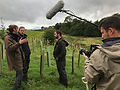
Whenever possible, capture real sounds on location. Ambient noises like wind, water, footsteps, or wildlife add layers of realism. Use a good quality microphone and record multiple takes to have options during editing.
2. Use Sound Effects Thoughtfully
Sound effects can enhance storytelling but should never overpower the narrative. For example, adding the subtle sound of rain during an interview about climate change can deepen the mood without distracting.
3. Layer Sounds for Richness
Combine different sound elements to create a fuller experience. For instance, layering bird calls with distant farm machinery and soft wind can evoke a vivid rural setting.
4. Pay Attention to Silence
Silence is a powerful tool. Strategic pauses or quiet moments can emphasize important points or create tension. Don’t feel the need to fill every second with sound.
5. Balance Dialogue and Sound
Ensure that dialogue remains clear and intelligible. Background sounds should support, not compete with, the spoken word.
6. Use Music to Support the Story
Music can underscore emotions and transitions. Choose tracks that complement the tone and message of your documentary without overwhelming it.
By following these tips, you’ll create a sound design that feels natural and enhances your storytelling.

The Role of Sound Design for Documentary Films
If you’re looking to deepen your understanding, exploring sound design for documentary films can offer valuable insights. This specialized approach focuses on how sound shapes the narrative and emotional impact of documentaries. It’s about more than just technical skills – it’s about listening closely to the story and finding the perfect sonic elements to bring it to life.
For example, in documentaries about environmental issues, sound design can highlight the contrast between natural beauty and human impact. The gentle flow of a river might be interrupted by industrial noise, subtly reinforcing the film’s message.
Overcoming Common Challenges in Documentary Sound Design
Sound design isn’t always smooth sailing. You might face challenges like noisy environments, limited recording equipment, or tight budgets. But don’t worry – here are some ways to tackle these hurdles:
Noisy locations? Use directional microphones and windshields to minimize unwanted sounds.
Limited gear? Focus on capturing clean dialogue and key ambient sounds; you can add effects in post-production.
Budget constraints? Utilize royalty-free sound libraries and collaborate with local sound artists or students.
Inconsistent audio quality? Use audio editing software to clean up and balance your tracks.
Remember, creativity often thrives within constraints. Sometimes, the best sound design comes from clever problem-solving and experimentation.
Bringing Your Documentary to Life with Sound
Sound design is your secret weapon to make documentaries resonate deeply. It invites your audience to step inside the story, feel the environment, and connect emotionally with the subjects. Whether you’re telling stories about sustainable farming, food systems, or environmental change, sound can amplify your message and inspire action.
So next time you’re working on a documentary, don’t just think about what your viewers will see. Ask yourself – what will they hear? How can sound design transform your film from a simple story into an unforgettable experience?
By embracing sound design in documentaries, you’re not just creating content – you’re crafting a sensory journey that moves hearts and minds.
Happy filming and sound designing!


Great article!